Technologies
SciTeeX is specialising in projects involving the following technologies:
Mechanical surface preparation
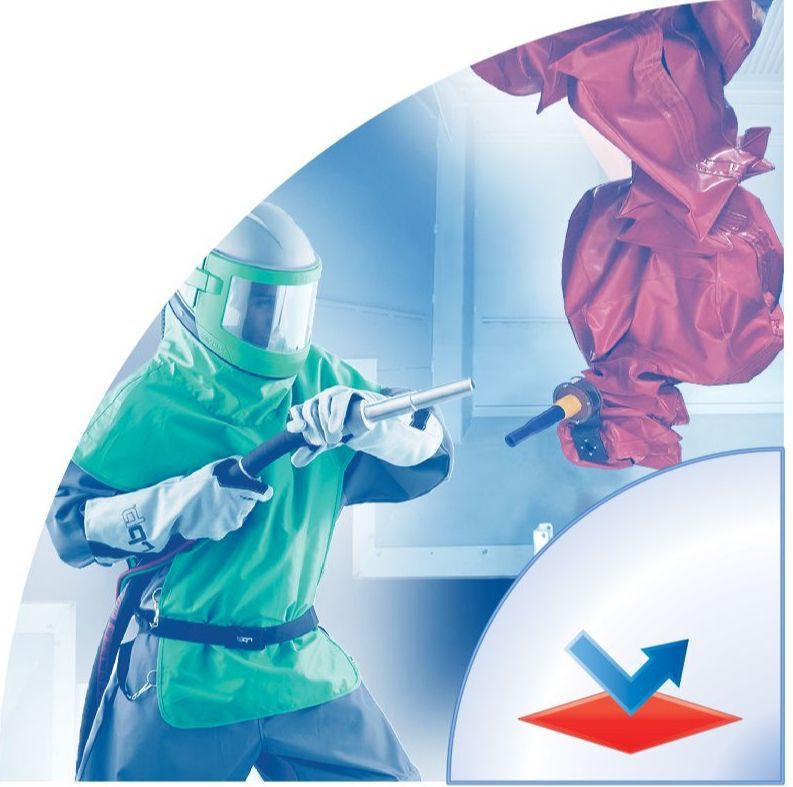
Mechanical surface preparation involves preparing metal workpiece surfaces for treatments such as painting, galvanizing, or thermal metalizing. The most commonly used method is impact treatment, which cleans surfaces with a specific level of roughness.
Abrasive impact treatment is a mechanical surface preparation technique in which abrasive particles are propelled at high speed to clean, roughen, or shape a surface. This process removes contaminants such as rust, scale, or old coatings and imparts a defined surface texture to improve adhesion for subsequent coatings or treatments, enhancing durability and corrosion resistance.
This process ensures the surface is properly structured to bond effectively with protective coatings, enhancing resistance to corrosion.
There are two main types, the key difference lies in the propulsion mechanism:
PNEUMATIC BLASTING
Uses compressed air to propel abrasive materials, offering flexibility and control for smaller or intricate surfaces.
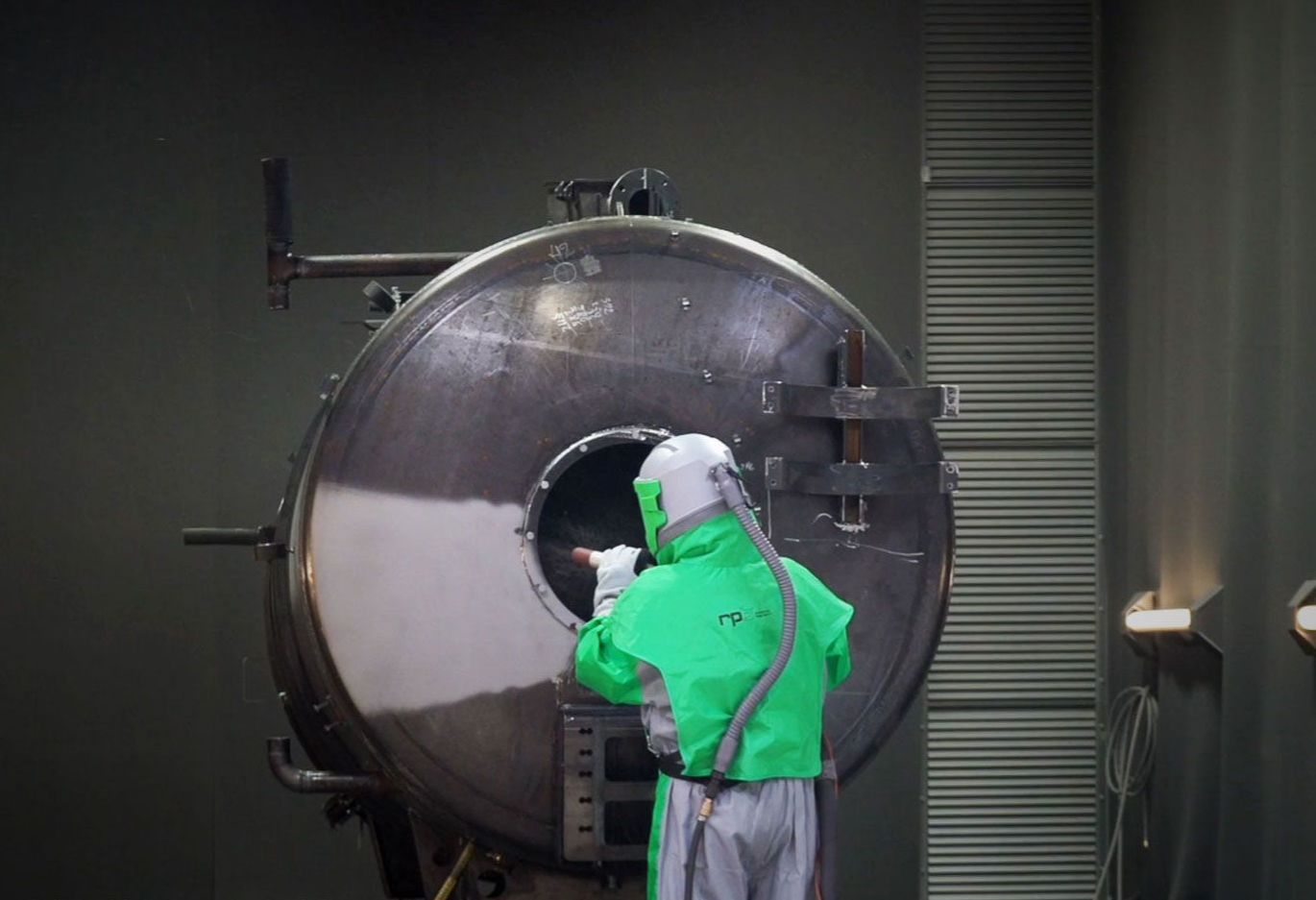
Pneumatic blast machines come in the form of blast cabinets or blast rooms, where the blasting media is propelled by compressed air and directed onto the worpiece through nozzles.
In pneumatic blasting , the nozzles can either be fixed in place, manually operated, or controlled automatically using manipulators or robots. The choice of abrasive media depends on the blasting task, with most applications.
The pneumatic technique relies on compressed air as the energy-imparting element. The equipment involved comprises blastrooms.
WHEEL BLASTING
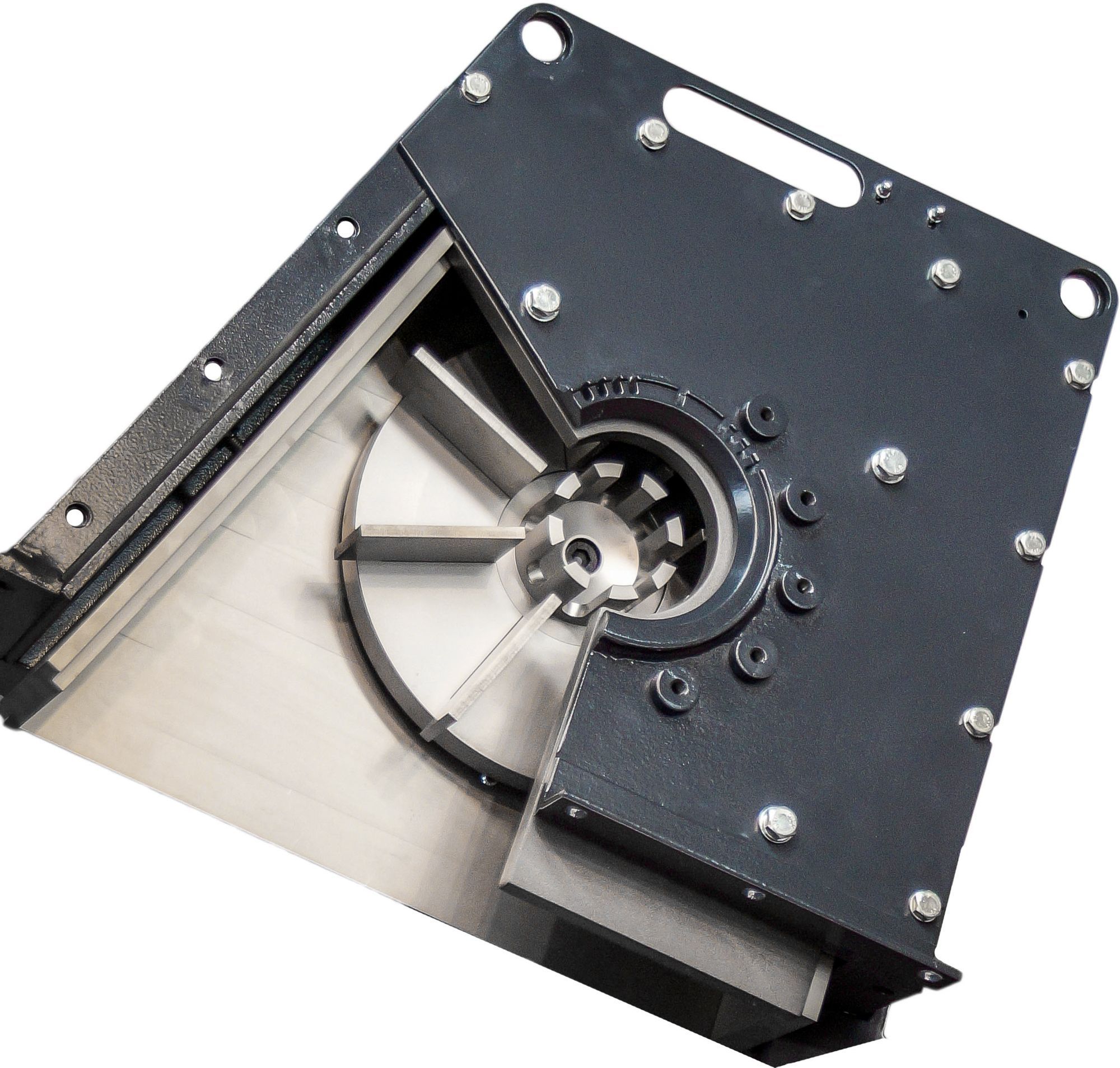
Abrasive wheel blasting is a surface preparation process in which abrasive particles are propelled at high speed onto a surface using a rotating wheel. Wheel blasting converts the energy from an electric motor into kinetic energy by spinning a turbine wheel to propel abrasive media. A wheel can handle up to 600 kg/min, with an energy efficiency of approximately 20 kg/min per kW.
The wheel's centrifugal force flings the abrasive media, effectively cleaning, roughening, or shaping the surface. This method is commonly used for large-scale, high-production applications due to its efficiency and ability to process a wide range of materials and components.
The transportation method for the workpieces being blasted often determines the machine type. Options include single-load machines, such as hook or table systems, and pass-through machines, such as roller conveyors, wire mesh conveyors, overhead conveyors, or trolleys.
LONGER DURABILITY
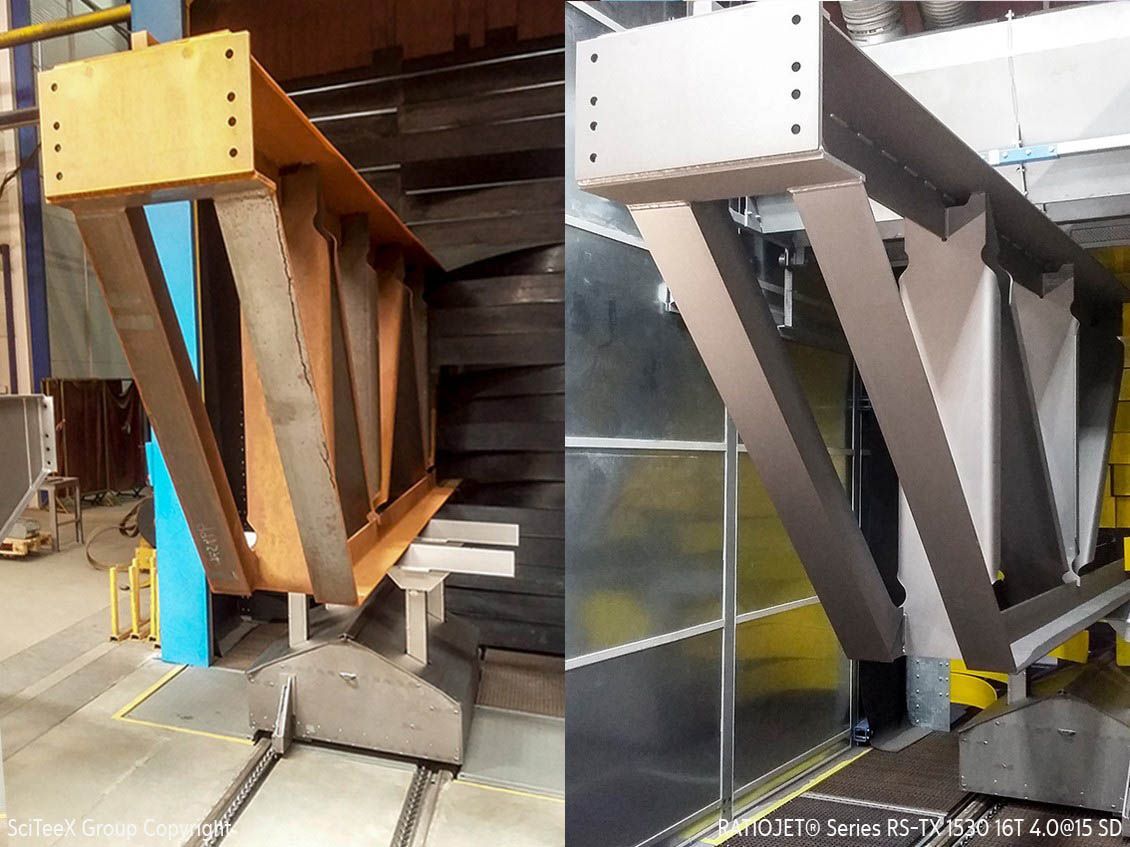
A correct preparation of the workpiece surface prior to the formation of a top layer or of a protective coating, is quite essential for its future long service life. Incorrect pretreatment of the workpiece surface results in numerous adverse post-effects which include: reduced adhesive attraction of the coating to the substrate, reduced surface smoothness, sub-coating corrosion.
Chemical sufrace preparation
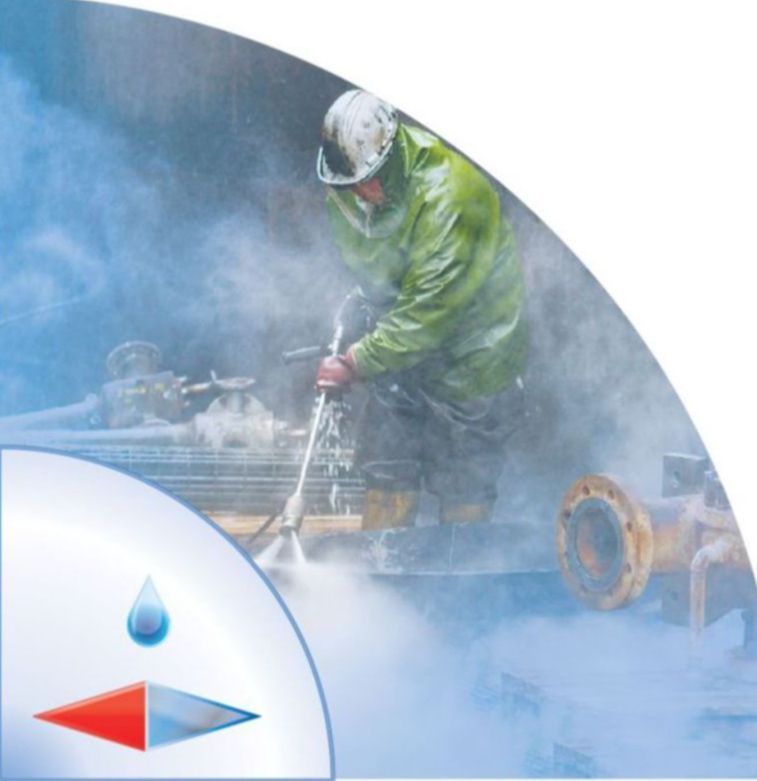
Chemical surface preparation is an important anti-corrosion protection step, which affects the quality of the technological operations to be undertaken and the value of the final coating. According to what is required and what is attainable, the process may use solvent- or water-borne preparations.
Within a manufacturing process, chemical surface preparation may be inserted as a step into: inter-operational wash, stripping of protective agents, pre-coating wash, operational or maintenance wash.
The chemical surface preparation step includes: washing and degreasing (with/out phosphating), etching, stripping of paint coatings.
Metal coatings
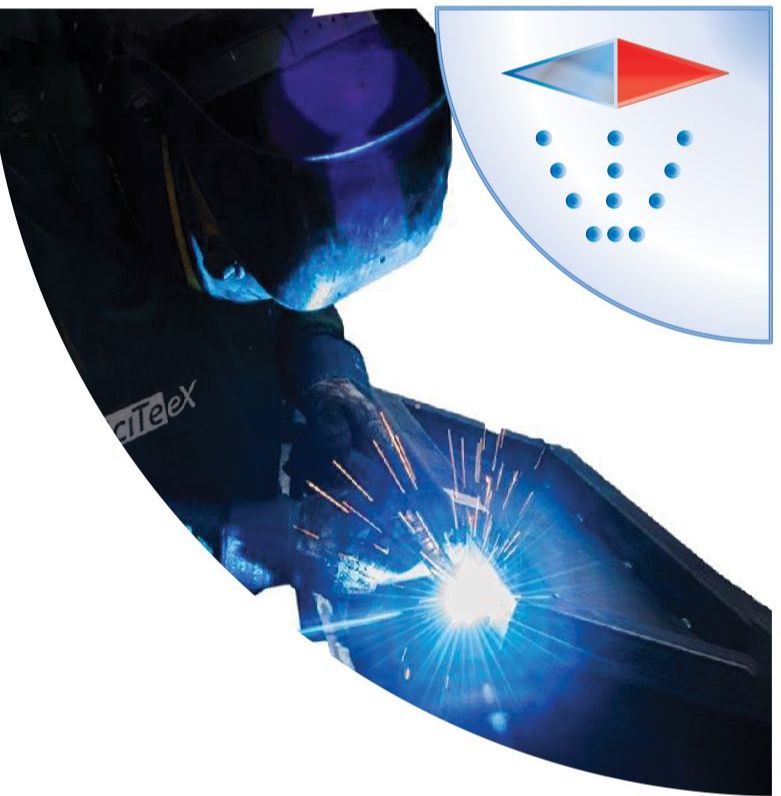
Thermal spraying is a process that applies a coating material in a plasticized or liquid state to a correctly prepared surface to make a protective or functional coating. In steel structures, thermal spraying is used for various purposes, to increase corrosion resistance, change or improve mechanical properties and for decorative purposes.
Depending on the method, material and process conditions, the character of the bonds of the coating with the substrate is multilevel - adhesion, mechanical sticking in surface irregularities, diffusion. The nature of the bonds determines the adhesion of the coating. Unlike welding methods, thermal spraying does not overmelt or mix with the substrate material.
Steel is susceptible to corrosion, especially in wet, offshore or industrial environments. Thermal spraying with zinc or aluminum is a popular way to protect steel structures from corrosion. The zinc layer provides cathodic protection, which significantly extends the life of the structure.
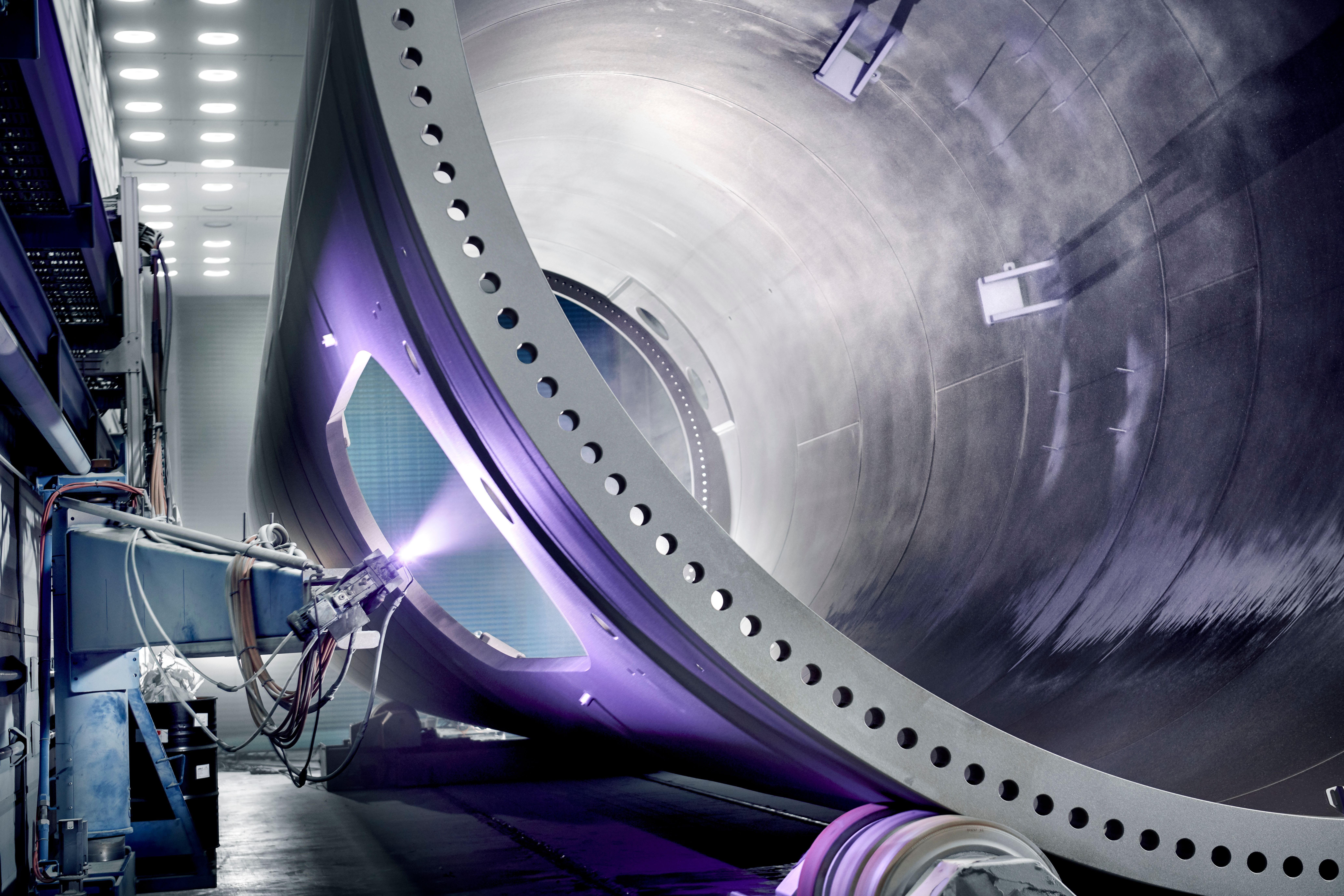
Metal coatings deposited by thermal spraying can also increase resistance to abrasion, fatigue and thermal wear. This is particularly important for structures and components subjected to heavy use.
Thermal spraying can be used to repair damaged or worn steel components. For example, drive shafts or bearing surfaces can be rebuilt using spraying, avoiding costly replacements of entire components.
Some coatings applied by thermal spraying, such as ceramic, have insulating properties, which can be useful in steel structures that require resistance to high operating temperatures or aggressive chemical environments.
Organic coatings
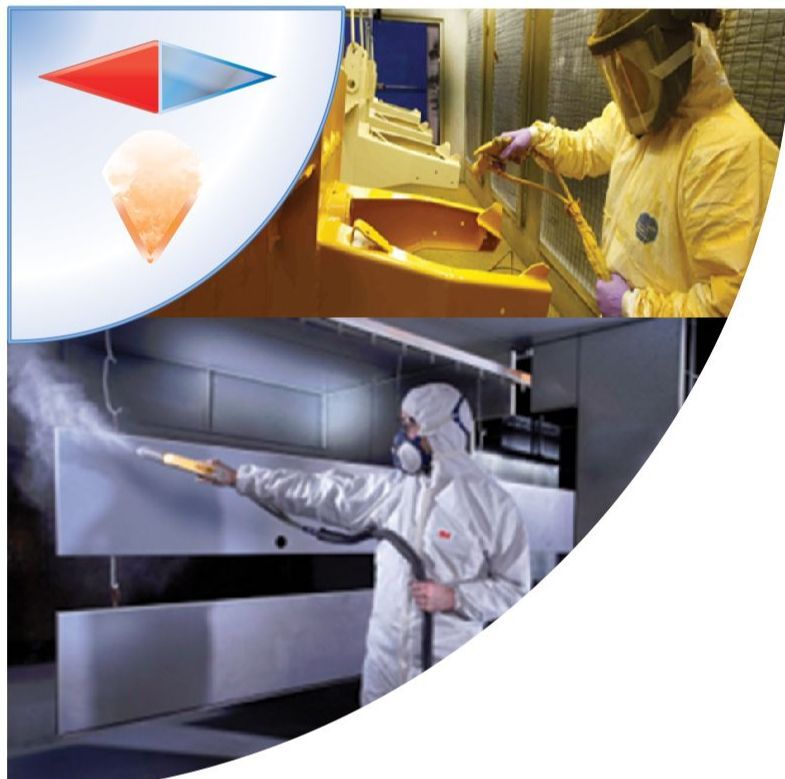
In the worldwide production of organic coatings, the greatest share is due to paint products, i.e., liquid, powder or mastic products, each of which, after being applied to a substrate in a thin layer, is converted to a coating endowed with protective, decorative or other special properties.
According to production method, our classification includes air-drying, physically drying, chemically setting and thermosetting paint coatings.
The primary prerequisite for achieving a correct coating, i.e., one endowed with a high quality and a long service life, is to follow the technological instructions and requirements given by the coating material producer. These requirements include the climatic conditions prevailing on the application site, the type and condition of the equipment used, and painter’s know-how and skills.